
News, information and opportunities in Antarctica
Antarctica remains a critical focal point of international scientific research, environmental governance, and geopolitical cooperation in 2026. Governed under the Antarctic Treaty System, which designates the continent as a natural reserve devoted to peace and science, recent developments center heavily on accelerating ice sheet loss, Southern Ocean warming, and the strengthening of marine protected areas. Glaciologists and climate scientists are closely monitoring major ice shelves, such as Thwaites and Pine Island, as satellite observations and autonomous underwater vehicle missions reveal rapid basal melting driven by shifting circumpolar deep currents. Simultaneously, member states of the Antarctic Treaty Consultative Meeting and the Commission for the Conservation of Antarctic Marine Living Resources are actively negotiating stricter regulations on krill fisheries, biosecurity protocols against invasive species, and environmental oversight of expanding expedition tourism.
Accessing accurate, authoritative information regarding Antarctica requires engaging with specialized international scientific bodies and polar governance archives. The Scientific Committee on Antarctic Research serves as the primary interdisciplinary organization coordinating global polar research and disseminating peer-reviewed assessments on climate dynamics, biodiversity, and atmospheric science. Complementing this scientific hub, the Secretariat of the Antarctic Treaty publishes official diplomatic records, environmental impact assessments, and station inspection reports. National polar programs—such as the British Antarctic Survey, the United States Antarctic Program, the Australian Antarctic Division, and India’s National Centre for Polar and Ocean Research—also maintain open-access meteorological databases, geospatial mapping portals, and real-time sea-ice monitoring bulletins that inform global climate models and maritime navigation safety.
Although commercial resource extraction and permanent settlement are strictly prohibited under the Protocol on Environmental Protection to the Antarctic Treaty, Antarctica offers significant professional, technical, and academic opportunities across diverse disciplines. Scientific institutions worldwide recruit glaciologists, oceanographers, atmospheric physicists, marine biologists, and astrophysicists to conduct multi-year field campaigns at year-round research stations and aboard icebreaking research vessels. The continent’s pristine atmospheric conditions and extreme isolation also make it an premier testing ground for aerospace agencies and robotics engineers developing autonomous rovers, deep-ice drilling technologies, and closed-loop life support systems for future lunar and Martian missions.
Furthermore, maintaining human presence in the world’s harshest environment generates steady demand for specialized operational, medical, and logistical personnel. National polar operators regularly hire civil engineers, renewable energy technicians, telecommunications specialists, aviation mechanics, expedition physicians, and environmental compliance officers to modernize polar stations and minimize carbon footprints through solar and wind microgrids. International policy organizations, maritime law firms, and academic fellowships additionally provide pathways for legal scholars, environmental economists, and science diplomats focused on polar governance, sustainable tourism management, and global climate policy coordination.
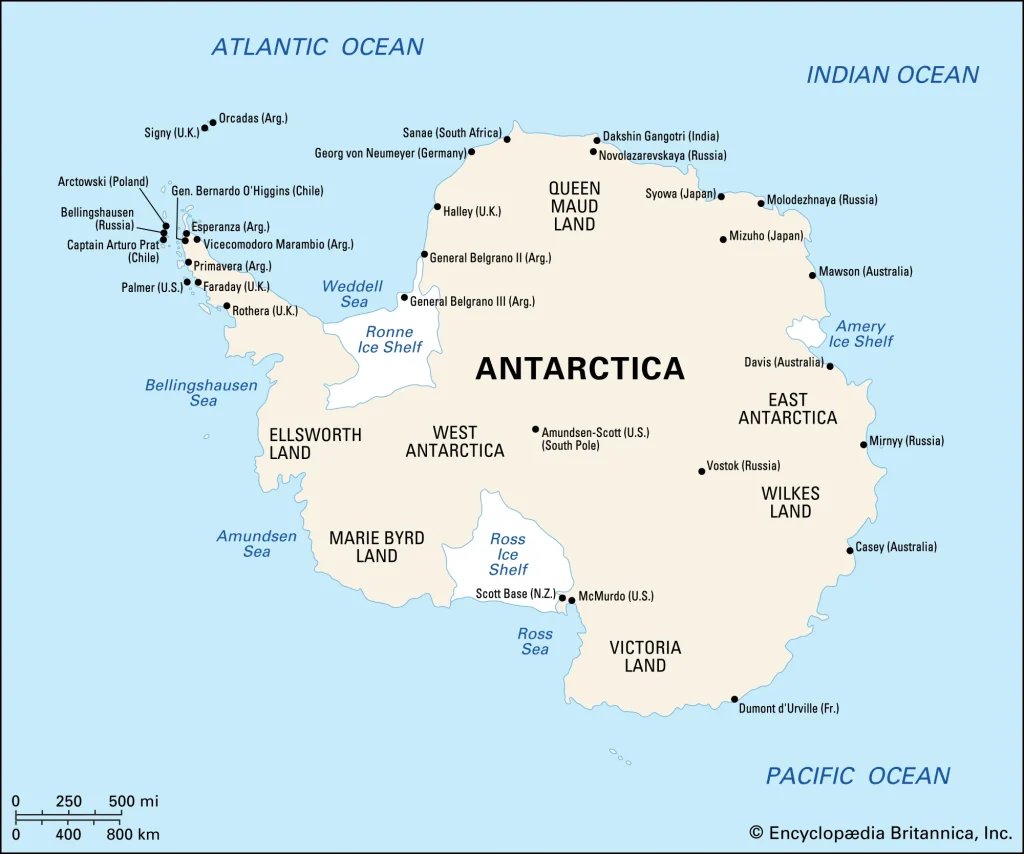
Technically, zero countries are located in Antarctica. The continent does not belong to any single nation-state.Antarctica does not belong to any single country and has no native population, permanent residents, or independent nation-states. Instead, governance and territorial relationships are managed internationally through the Antarctic Treaty System.