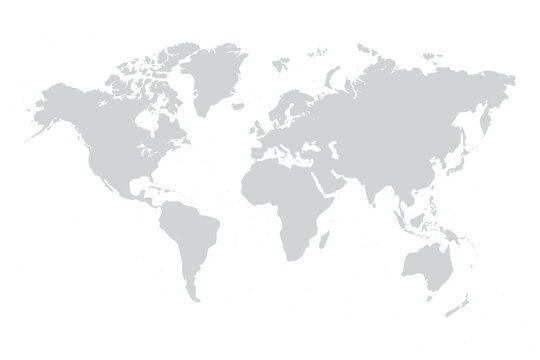
Singapore, officially known as the Republic of Singapore, is an island nation and city-state in Southeast Asia. Its territory consists of one main island, more than 60 surrounding islands and islets, and a separate outlying islet. Located approximately one degree of latitude, or 137 kilometres, north of the equator, Singapore lies off the southern tip of the Malay Peninsula. It borders the Strait of Malacca to the west; the Singapore Strait and Indonesia’s Riau Islands to the south; the South China Sea to the east; and the Straits of Johor and Malaysia’s State of Johor to the north.
In its earliest history, Singapore was a maritime trading centre called Temasek and later became a key part of several successive thalassocratic empires. Its modern era began in 1819, when Stamford Raffles established it as a British Empire entrepôt. In 1867, Singapore came under direct British rule as part of the Straits Settlements. Japan occupied Singapore in 1942 during World War II; after Japan surrendered in 1945, the territory returned to British control as a Crown colony. Singapore achieved self-government in 1959 and joined the new federation of Malaysia in 1963, together with Malaya, North Borneo, and Sarawak. Ideological differences led to its expulsion from the federation two years later, and Singapore became an independent sovereign nation in 1965. Despite early instability and a lack of natural resources and hinterland, the country developed rapidly and became one of the Four Asian Tigers.
Singapore is a highly developed country with the world’s highest GDP per capita when adjusted for purchasing power parity. It is the only country in Asia to hold an AAA sovereign credit rating from every major rating agency. Identified as a tax haven, Singapore is a leading aviation, financial, and maritime shipping hub and has regularly ranked among the world’s most expensive cities for expatriates and foreign workers.